
Social Media Content Calendars For Local Gyms
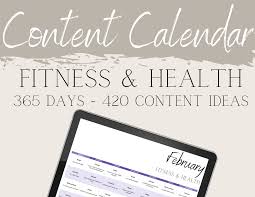
Feeling a bit lost when it comes to posting on social media for your local gym? You’re not alone. Many gym owners and managers pour their hearts into their businesses but struggle to translate that passion into effective online content.
It’s frustrating when you know your gym is amazing, but your social media posts just aren’t hitting the mark. Let’s fix that. This guide will show you how to build a smart content calendar.
You’ll learn to create posts that connect with people and bring them through your doors. We’ll cover everything you need to know to make your gym’s social media shine.
A social media content calendar helps local gyms plan and organize their posts. This ensures consistent, engaging content that attracts new members and builds a community. It makes posting easier and more effective.
What is a Social Media Content Calendar?
Think of a content calendar as your gym’s social media roadmap. It’s a schedule. It shows you what to post, when to post it, and where.
You plan posts ahead of time. This keeps your social media active. It also makes sure your posts are interesting and helpful.
It’s more than just random updates. It’s a strategy. A good calendar helps you reach your gym’s goals.
This could be getting more members. Or it could be making your current members feel more connected.
Why is this important for a local gym? Your gym is a community hub. Your social media should reflect that.
You want to show people what makes your gym special. You want to highlight your trainers. You want to share member success stories.
You want to announce new classes or events. A content calendar helps you do all this smoothly. You won’t forget important dates.
You won’t scramble for ideas last minute.
How does it work? You map out your posts. This can be weekly, monthly, or even quarterly.
You decide on themes. You choose post types. This could be photos, videos, or questions.
You assign dates and times. You also decide which social media platforms to use. This planning reduces stress.
It saves you time. Most importantly, it makes your social media efforts more powerful. It helps your gym stand out.
My Own Social Media Scramble Story
I remember when I first started helping a local yoga studio. They were great at what they did. Their classes were wonderful.
But their Instagram? It was a mess. They’d post randomly.
Sometimes it was a blurry photo of the studio floor. Other times, it was just a text update about a class. They felt overwhelmed.
They were always asking, “What should we post today?” I saw their frustration. It felt like shouting into the void. They had a real need, a passion for health, but their online voice was weak.
It made me realize how crucial a plan is. Without one, even the best businesses can get lost online.
Content Calendar Benefits for Gyms
Attracts New Members: Shows what your gym offers.
Builds Community: Connects members and staff.
Boosts Engagement: Encourages likes, comments, and shares.
Saves Time: Plans posts ahead, reducing last-minute stress.
Consistent Brand Voice: Keeps your message clear and strong.
Planning Your Gym’s Content Themes
To make your content calendar work, you need themes. Themes are like categories. They help you organize your ideas.
They ensure you cover different aspects of your gym. For a local gym, several themes work well. Think about what makes your gym unique.
What do potential members want to know? What do current members care about?
One key theme is “Trainer Spotlights.” Your trainers are your experts. Showcasing them builds trust. It also highlights their skills.
You can introduce new trainers. You can share their favorite exercises. You can even ask them to share a quick fitness tip.
This shows the human side of your gym. It makes people feel more comfortable.
Another great theme is “Member Success Stories.” People love to see real results. Feature a member who achieved a goal. Share their journey.
Ask them what helped them. Keep it positive and inspiring. Always get their permission first.
This is powerful social proof. It shows that your gym helps people reach their dreams.
Don’t forget about “Class and Program Highlights.” If you offer a new yoga class, show it off. Post a short video of it. Explain its benefits.
Talk about who it’s for. This informs people. It also gets them excited to try it.
You can also highlight your most popular classes. Show why people love them so much.
“Gym Tips and Education” is also vital. This is where you share your expertise. Offer advice on proper form.
Explain how to use certain equipment. Give simple nutrition tips. Provide workout ideas for home.
This establishes you as a knowledgeable resource. People will start to rely on your advice. This builds loyalty.
Think about “Community and Events.” Local gyms are part of their neighborhoods. Share photos from gym events. Announce charity drives.
Highlight partnerships with other local businesses. Show that you care about your community. This builds goodwill.
It also attracts local people.
Finally, consider “Behind-the-Scenes.” What happens at your gym when no one is training? Show staff meetings. Show equipment maintenance.
Show the cleaning crew at work. This transparency builds trust. It shows you’re a well-run operation.
Content Theme Ideas at a Glance
- Trainer Spotlights: Introduce your coaches and their expertise.
- Member Success Stories: Inspire others with real achievements.
- Class & Program Highlights: Showcase what your gym offers.
- Gym Tips & Education: Share valuable fitness and health advice.
- Community & Events: Connect with your local area.
- Behind-the-Scenes: Show the daily life of your gym.
Choosing Your Social Media Platforms
You don’t need to be everywhere. For local gyms, a few platforms are usually enough. Focus on where your potential members spend their time.
Facebook is almost always a good choice. Many local communities are active there. You can share longer updates, photos, and videos.
You can also create events and groups.
Instagram is great for visual content. Gyms have a lot of visual appeal. You can share high-quality photos and short videos (Reels).
Instagram Stories are perfect for behind-the-scenes looks and quick updates. This platform is excellent for showing off your gym’s atmosphere and energy.
TikTok is growing rapidly. If your audience is younger, this could be a good fit. Short, engaging videos work best.
Think fun workout challenges or quick tips. It’s a place to be creative and show personality.
Google My Business isn’t strictly social media, but it’s crucial. Ensure your gym’s profile is complete and updated. Post photos and updates there too.
This helps people find you when they search locally.
For most local gyms, focusing on Facebook and Instagram is a solid starting point. You can add others later if needed. The key is to be consistent on the platforms you choose.
Don’t spread yourself too thin.
Structuring Your Content Calendar
Now, let’s talk about putting it all together. You can use a simple spreadsheet. Google Sheets is free and easy to use.
You can also find dedicated social media planning tools. But for starting, a spreadsheet works fine.
Your calendar columns should include:
- Date: The day you want the post to go live.
- Time: The specific time.
- Platform: Which social media site (Facebook, Instagram, etc.).
- Content Type: Photo, Video, Reel, Story, Link, Text post.
- Theme: Which category it falls under (Trainer Spotlight, etc.).
- Caption/Post Text: What you will actually write.
- Visuals: A note about the photo or video needed.
- Hashtags: Relevant tags to increase reach.
- Status: Draft, Scheduled, Posted.
Let’s walk through an example week. Suppose it’s Monday.
- Monday: A Trainer Spotlight on Instagram Reels. A short video of Coach Emily doing her favorite warm-up. Caption: “Meet Emily! Her warm-up routine is a must-try. #GymLife #FitnessMotivation #LocalGym”
- Tuesday: A Gym Tip on Facebook. A photo of proper squat form. Caption: “Proper squat form is key to avoiding injury and getting great results. Check out this guide to master your squat. #WorkoutTips #GymEducation #StrengthTraining”
- Wednesday: A Member Success Story as an Instagram Story. A short text overlay with a member’s quote and a photo of them. Link to a full blog post if available.
- Thursday: A Class Highlight on Facebook. A vibrant photo of your spin class. Caption: “Feel the burn in our Thursday Spin class! Perfect for boosting cardio and energy. Sign up now! #SpinClass #CardioWorkout #GymCommunity”
- Friday: A Community Post on Facebook. A photo from a recent local 5k event your gym participated in. Caption: “So proud of our team at the City Fun Run! Great to support our community. #CommunityFitness #LocalEvents #GymFamily”
- Saturday: A Behind-the-Scenes Instagram Story. A quick video of the gym looking clean and ready for the weekend.
- Sunday: A motivational quote or a poll question on Facebook. “What’s your fitness goal this week?” #MotivationSunday #FitnessGoals
This is just an example. You can adjust it based on your gym’s focus and your audience’s activity times. Planning for a week shows how diverse your content can be.
You’re not just posting workout videos. You’re building relationships.
Quick-Scan Calendar Checklist
| Field | Importance |
|---|---|
| Date & Time | Crucial for timely posts. |
| Platform | Ensures content fits the app. |
| Content Type | Helps visualize the post. |
| Caption/Text | The core message. |
| Visuals | What image/video to use. |
| Hashtags | Boosts discoverability. |
Crafting Engaging Captions and Visuals
Having a plan is great, but what you actually post matters most. Captions should be clear and concise. Use simple language.
People scan online. Get to the point quickly.
Start with a hook. Ask a question. Make a bold statement.
Then, provide value. Share the tip, the story, or the information. End with a call to action (CTA).
This could be “Sign up today,” “Leave a comment,” or “Tag a friend.”
For visuals, quality is important. Use clear photos and well-lit videos. They don’t have to be professional studio quality, but they should look good.
Natural light is your friend. Your smartphone camera is likely powerful enough. Focus on showing your gym’s energy.
Show happy people. Show clean equipment. Show your welcoming atmosphere.
Hashtags are key for discovery, especially on Instagram. Use a mix of popular and niche hashtags. Examples: #FitnessMotivation #GymLife #LocalGym #Fitness #WorkoutTips #StrengthTraining #YogaEveryday #CrossfitLove.
Research what hashtags your target audience follows.
Consider the tone. Keep it positive and encouraging. Avoid jargon.
Speak like you’re talking to a friend. Authenticity is powerful. People connect with realness, not perfection.
The Power of Consistency
This is perhaps the most critical part of using a content calendar. Consistency breeds familiarity. When people see your gym’s posts regularly, they start to trust you.
They remember you. It keeps your gym top-of-mind. This is vital for local businesses.
If you post intensely for a week and then disappear for a month, you lose momentum. Your audience forgets you. Algorithms also favor consistent activity.
They are more likely to show your content to more people if you post regularly.
What does consistency look like? It doesn’t mean posting five times a day. It means posting a set number of times per week.
For many local gyms, 3-5 posts per week on your main platforms is a good goal. Plus, daily Stories on Instagram or Facebook can add more touchpoints without being overwhelming.
Your content calendar helps achieve this. By planning ahead, you ensure you always have something ready to post. You don’t have to invent ideas on the fly.
This makes it much easier to stay consistent. Even when you’re busy with gym operations, your social media stays active.
Consistency: What It Means
- Regular Posting Schedule: Stick to your planned times.
- Consistent Brand Voice: Always sound like your gym.
- Reliable Content: Your audience knows what to expect.
- Algorithm Friendly: Keeps your posts visible.
- Audience Trust: Builds a loyal following.
Adapting to Trends and Real-Life Events
While a content calendar provides structure, it also needs flexibility. Social media trends change fast. Real-life events happen.
You need to be able to adapt.
If a new fitness trend emerges, can you create content around it? Maybe a short video demonstrating it, or a discussion about its pros and cons. If there’s a local event happening, can you tie your gym into it?
A special class before a big race, for instance.
What about holidays? Your calendar should include them. National Fitness Day, for example.
Or even fun, less obvious ones like “National Get Fit Day.” You can plan themed posts for these. Christmas, New Year’s, and summer holidays are also great opportunities for special promotions or themed content.
Be ready to pivot if something unexpected happens. A local hero accomplishes a great feat, or a community crisis occurs. You can pause your planned posts and share a supportive message.
This shows your gym’s connection to the community. It shows empathy.
The key is to have a framework that allows for spontaneous additions. Your calendar is your guide, not a rigid set of rules. It helps you stay on track but also lets you be responsive.
This balance keeps your social media fresh and relevant.
Measuring Your Success
How do you know if your content calendar is working? You need to look at your results. Most social media platforms have built-in analytics.
These tools show you what’s working and what’s not.
Key metrics to watch include:
- Engagement Rate: This is the percentage of people who saw your post and interacted with it (liked, commented, shared). Higher is better.
- Reach: How many unique users saw your post.
- Impressions: How many times your post was displayed.
- Follower Growth: Are you gaining new followers consistently?
- Website Clicks: If you link to your gym’s website, how many people click?
- Mentions and Tags: Are people talking about your gym?
Look at which posts get the most likes and comments. Which ones lead to more inquiries or sign-ups? Your content calendar should help you track this.
You can add a column to your spreadsheet to note the performance of each post.
If a certain type of post, like member success stories, consistently gets high engagement, do more of that. If your class highlight videos aren’t getting much attention, try a different approach. Maybe use different music, a different caption style, or a different time of day.
This data-driven approach is powerful. It helps you refine your strategy. It ensures your time and effort are spent on content that truly resonates with your audience.
It’s about continuous improvement.
Key Performance Indicators (KPIs) for Gyms
Engagement Rate: How many interact with your content.
Reach: How many unique people see your posts.
Follower Growth: Steady increase in your audience size.
Website Traffic: Clicks from social media to your gym’s site.
Inquiries/Leads: Direct messages or comments asking about membership.
Common Pitfalls to Avoid
Even with a calendar, gyms can make mistakes. One common issue is posting too much salesy content. If every post is about joining or buying something, people will tune out.
Aim for a balance. Use the 80/20 rule: 80% valuable, engaging content, and 20% promotional content.
Another pitfall is ignoring comments and messages. Social media is a two-way street. Respond to questions.
Thank people for their comments. This builds relationships and shows you care. It also boosts your visibility in platform algorithms.
Inconsistent branding is also a problem. Make sure your logo, colors, and tone of voice are consistent across all your posts. This helps people recognize your gym.
Finally, not having a clear call to action. What do you want people to do after seeing your post? If you don’t tell them, they likely won’t do anything.
Be clear and direct.
What This Means for Your Local Gym
Implementing a social media content calendar can transform your gym’s online presence. It brings order to the chaos. It helps you connect with your community in meaningful ways.
It showcases the value and passion you bring to fitness.
It means less stress for you and your team. It means more consistent engagement with current and potential members. It means your gym becomes more visible in your local area.
People will start to see you as a trusted source of fitness information and a welcoming community space.
This isn’t about becoming a social media influencer overnight. It’s about using these powerful tools smartly. It’s about building genuine connections.
It’s about showing the world why your local gym is the best place to achieve their health and fitness goals.
Quick Tips for Getting Started
Ready to dive in? Here are some easy steps:
- Start Small: Focus on one or two platforms first.
- Brainstorm Themes: Write down all the ideas you have for content.
- Create a Simple Spreadsheet: Set up your columns for planning.
- Plan One Week at a Time: Don’t feel pressured to plan months ahead initially.
- Batch Create Content: Dedicate a few hours to take photos and write captions.
- Schedule Posts: Use the scheduling tools on Facebook and Instagram.
- Engage Daily: Spend 10-15 minutes each day responding to comments.
Frequently Asked Questions
How often should I post on social media for my gym?
For most local gyms, posting 3-5 times per week on platforms like Facebook and Instagram is a great starting point. Supplement this with daily Instagram or Facebook Stories. Consistency is more important than frequency.
What kind of photos and videos work best for a gym’s social media?
High-quality, clear visuals are key. Show your trainers in action, members achieving goals (with permission), clean equipment, and the overall atmosphere of your gym. Short videos like Reels or TikToks are very popular.
Focus on authenticity and energy.
How can I get more engagement on my gym’s social media posts?
Ask questions in your captions, run polls in Stories, host Q&A sessions with trainers, and respond to all comments and messages promptly. User-generated content, like members tagging your gym, is also highly engaging.
Do I really need a content calendar for a small local gym?
Yes, even for a small gym, a content calendar is highly beneficial. It saves you time, ensures consistent messaging, helps you cover all important aspects of your gym, and makes your social media efforts more strategic and effective.
What are the most important social media platforms for local gyms?
Facebook and Instagram are usually the most effective. Facebook allows for detailed posts and community building, while Instagram excels with visual content like photos and Reels. Google My Business is also essential for local search visibility.
How do I balance promotional content with other types of posts?
A good rule of thumb is the 80/20 rule. Aim for 80% of your content to be valuable, educational, or entertaining (like tips, member stories, trainer spotlights). Reserve the remaining 20% for direct promotions like membership deals or class sign-ups.
Conclusion
Creating a social media content calendar might seem like extra work at first. But it’s an investment. It’s an investment in your gym’s visibility.
It’s an investment in connecting with your community. It’s an investment in growth. Start simple, stay consistent, and watch your gym’s online presence flourish.
Your members and potential members will thank you.



Leave a Comment