
Bullet Journaling Workshops
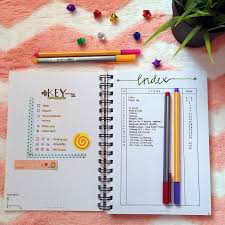
Bullet journaling workshops provide structured learning for the analog planning system. They teach core methods, offer creative tips, and foster community. These sessions help beginners start strong and experienced journalers find new ideas or refine their practice.
Understanding Bullet Journaling Workshops
A bullet journaling workshop is like a class. It’s for people who want to learn or get better at bullet journaling. Think of it as a friendly guide to a planning system.
This system uses a notebook and a pen. It helps you track your past, organize your present, and plan your future. You don’t need fancy supplies to start.
The core idea is simple: make it work for you.
These workshops cover the basics. You’ll learn about the key components. This includes daily logs, future logs, and monthly spreads.
You’ll also discover different ways to track tasks and events. Many workshops also touch on habit tracking. They show you how to set goals and see your progress.
It’s all about making sense of your day-to-day life.
What’s great is that they are very hands-on. You usually get to try things out during the workshop. Instructors guide you step-by-step.
This helps you understand the ‘why’ behind each method. It’s not just about filling in boxes. It’s about building a system that truly helps you.
You also get to meet other people. They share your interest in planning and creativity. This community feel is a big part of the fun.
The main goal is to make bullet journaling accessible. Many people feel overwhelmed at first. They see complex spreads and think they can’t do it.
Workshops break it down. They show you that perfection isn’t the point. It’s about progress and usefulness.
They encourage you to find your own style. There’s no one right way to do it.
You’ll learn about the rapid logging system. This is the heart of bullet journaling. It uses symbols to quickly note things.
For example, a dot for a task. A circle for an event. A dash for a note.
These symbols help you see information at a glance. You’ll also learn about migration. This is how you move unfinished tasks forward.
It keeps your to-do list manageable.
Workshops often explore creative elements too. While the core system is minimalist, many people add art. They add doodles, color, and custom layouts.
A good workshop shows you how to balance function and form. You can make your journal beautiful without sacrificing its purpose. It’s about finding that sweet spot.
Your journal can be a practical tool and a creative outlet.
Some workshops focus on specific themes. You might find ones about goal setting. Others might focus on mindful journaling.
Some are perfect for beginners. Others offer advanced techniques for experienced journalers. The key is to find a workshop that matches your current needs and interests.
It’s a chance to invest in yourself and your planning skills.
My First Bullet Journal Workshop Experience
I remember feeling completely lost. I had bought a nice notebook. It sat on my desk, mocking me.
Online, everyone’s bullet journals looked like works of art. Mine felt like a messy collection of scribbles. I wanted to be more organized.
I wanted to stop forgetting things. But every time I opened the book, I froze.
That’s when a friend told me about a local bullet journaling workshop. I was hesitant. I thought it would be full of super-talented artists.
I worried I wouldn’t fit in. But I was desperate. So, I signed up.
The workshop was held in a cozy coffee shop. Soft music played. There were little tables set up.
The instructor, Sarah, was so warm and welcoming. She didn’t have a fancy, elaborate journal on display. She had a simple one.
She explained that she started like me. She felt the pressure to be perfect. But she learned that the system is what matters.
She shared stories about how bullet journaling helped her through stressful times. Her openness made me feel instantly at ease.
We started with the very basics. Sarah showed us how to set up a future log. We practiced rapid logging with simple symbols.
She walked us through creating a monthly spread. I remember the slight panic when she said, “Now, draw your own key.” My hand shook a little. But she said, “Don’t worry about making it perfect.
Just make it clear.”
As we worked, Sarah circulated. She offered individual help. She showed me how to make my lines straighter.
She suggested a different symbol for tasks that were urgent. It wasn’t about criticism. It was about gentle guidance.
I looked around and saw others were also focused. Some were chatting softly. Others were deeply concentrating.
The best part was when we moved to habit tracking. Sarah explained how to choose just a few habits to start. She shared her own habit tracker.
It looked like simple squares. She talked about how she used it to drink more water. I suddenly saw how I could use it to read more books.
It felt like a lightbulb went on. This was practical. This was achievable.
By the end of the workshop, I had a solid start to my own journal. It wasn’t perfect. Far from it.
But it was mine. And it made sense. I understood how to use it.
I felt a huge weight lift off my shoulders. More importantly, I felt excited to keep going. I had found my community and my confidence.
That workshop changed how I approached planning and creativity.
Workshop Snapshot: What to Expect
Core Skills: Learn the rapid logging system, future/monthly/daily logs, and task management.
Creative Spark: Discover simple ways to add color, doodles, and personal style.
Community: Connect with fellow journalers and share ideas in a supportive setting.
Practical Application: Leave with a working journal and confidence to continue.
Why Attend a Bullet Journaling Workshop?
You might be wondering if a workshop is really worth it. You can find tons of free information online. And yes, that’s true.
But there are specific benefits to attending a guided session. It’s about more than just getting information. It’s about a focused learning experience.
First, workshops offer structured learning. The internet is vast. It can be hard to know where to start or what’s important.
A workshop gives you a clear path. It breaks down the system into manageable steps. This prevents the feeling of being overwhelmed.
You learn the essentials in a logical order. This makes the whole process smoother.
Second, you get expert guidance. Good workshop leaders have deep knowledge. They understand the nuances of bullet journaling.
They can answer your specific questions. They can offer personalized tips. This is different from reading a blog post.
You can interact and get immediate feedback. This direct access to expertise is invaluable.
Third, hands-on practice is crucial. You won’t just be listening. You’ll be doing.
You’ll set up your own journal pages. You’ll try out different layouts. This active learning helps solidify what you’re taught.
Mistakes are opportunities to learn. In a workshop, you make these mistakes in a safe space. You learn how to correct them.
Fourth, building a community matters. Bullet journaling can sometimes feel solitary. You might be journaling alone.
Workshops bring people together. You meet others with similar interests. You can share struggles and successes.
This connection can be motivating. It reminds you that you’re not alone on this journey. You might even make new friends.
Fifth, workshops boost confidence. Many beginners feel intimidated. They compare their messy first attempts to perfect online examples.
A workshop leader can reassure you. They emphasize that progress, not perfection, is key. Seeing others work through similar challenges helps too.
You leave feeling more capable and inspired to continue.
Sixth, you can explore different styles. Workshops often showcase various approaches. You might see minimalist setups.
You might see artistic ones. You might learn about bullet journaling for specific goals, like productivity or mindfulness. This exposure can help you discover what style best suits you.
You can experiment and find your own voice.
Finally, workshops save you time. Instead of searching endlessly for information, you get it all in one place. You have a clear plan to follow.
This efficiency can be a big draw for busy people. You can get up and running quickly. Then, you can focus on enjoying the journaling process.
Quick Glance: Why Go?
- Structured Learning: Clear path, less overwhelm.
- Expert Advice: Get answers to your specific questions.
- Hands-On Practice: Learn by doing, build skills.
- Connect with Others: Find a supportive community.
- Boost Confidence: Overcome initial fears.
- Discover Styles: See what works for you.
- Save Time: Get organized faster.
Finding the Right Bullet Journaling Workshop
With so many options out there, picking the right workshop is key. You want one that fits your needs. Think about what you hope to gain.
Are you a total beginner? Do you want to improve your creative skills? Or are you looking for advanced productivity tips?
Start by considering your level. If you’re new to bullet journaling, look for “beginner” or “introduction” workshops. These will cover the core concepts.
They’ll help you build a strong foundation. If you’ve been journaling for a while, seek out “intermediate” or “advanced” sessions. These might explore specific spreads or creative techniques.
Next, think about the focus. Some workshops are general. They cover the whole system.
Others might specialize. For example, you might find workshops on bullet journaling for students. Or ones focused on using it for mental wellness.
Some might dive deep into artistic layouts. Choose a focus that aligns with your personal goals.
Consider the instructor. Do they have experience teaching? What is their journaling style?
Look for instructors who seem relatable and knowledgeable. Check their social media or website. Do they share tips and insights that resonate with you?
Their personality and approach can make a big difference in your learning experience.
Look at the workshop format. Is it online or in-person? Online workshops offer flexibility.
You can attend from anywhere. In-person workshops provide face-to-face interaction. You get immediate feedback and a stronger sense of community.
Think about which format suits your learning style and schedule best.
Check the curriculum or agenda. Does it cover the topics you want to learn? A good workshop outline will give you a clear idea of what to expect.
Look for details about supplies needed. Some workshops provide kits. Others ask you to bring your own notebook and pens.
Make sure you know what to prepare.
Read reviews and testimonials. What do past attendees say? Reviews can offer honest insights into the quality of the instruction.
They can highlight what participants liked most or what could be improved. This feedback is crucial for making an informed decision.
Finally, consider the cost. Workshops vary in price. Factor in your budget.
Remember that the cost often reflects the value. A more expensive workshop might offer more in-depth content. It might include better materials or more personalized attention.
Decide what you’re willing to invest in your bullet journaling journey.
Choosing Your Workshop: A Checklist
Your Level: Beginner, Intermediate, Advanced?
Workshop Focus: General, Creative, Productivity, Wellness?
Instructor Style: Relatable, Experienced, Inspiring?
Format: Online or In-Person?
Agenda: Does it cover your interests?
Reviews: What do others say?
Cost: Does it fit your budget?
What You Will Learn in a Workshop
Attending a bullet journaling workshop is an investment in yourself. You walk away with more than just a few new ideas. You gain practical skills and a deeper understanding of the system.
The lessons learned can transform how you manage your life.
You’ll learn the core methodology. This is the foundation of bullet journaling. It’s called rapid logging.
You’ll understand the symbols used to quickly jot down tasks, events, and notes. You’ll learn how to categorize these entries. This makes your journal easy to scan.
It helps you see what needs attention.
You’ll master setting up essential logs. This includes the future log for long-term planning. The monthly log for an overview of the month.
And the daily or weekly logs for day-to-day tracking. Workshops show you the best ways to structure these. They help you make them functional and easy to use.
Understanding task management is a big part. You’ll learn about the concept of “migration.” This is how you move incomplete tasks forward. You’ll discover strategies for not letting things fall through the cracks.
This is a game-changer for productivity. It helps you stay on top of your to-do list.
Many workshops also cover habit tracking. This is powerful for building positive routines. You’ll learn how to choose habits that matter to you.
You’ll see examples of trackers. You’ll learn how to track your progress visually. This helps you stay motivated.
It shows you how small steps lead to big changes.
Creative expression is often a key component. You’ll explore ways to personalize your journal. This might include basic lettering techniques.
Or simple ways to add doodles and decorative elements. The focus is on enhancing your journal, not overwhelming it. You learn to make it visually appealing.
You’ll also learn about common pitfalls. Workshop leaders often share mistakes they’ve made. They guide you on how to avoid them.
This includes things like over-scheduling or trying to track too many things at once. They help you find a balance that works for you.
The practical application is immense. You’ll learn how to adapt the system. It’s not rigid.
It’s flexible. You can tailor it to your specific needs. Whether you’re a student, a professional, or a parent, the principles can be applied.
You’ll leave with a working journal and the confidence to use it.
Key Learning Outcomes
Rapid Logging: Master efficient note-taking with symbols.
Log Setup: Create effective future, monthly, and daily logs.
Task Management: Learn to migrate tasks and stay organized.
Habit Tracking: Build positive routines and monitor progress.
Creative Personalization: Add style without losing function.
Problem Solving: Avoid common journaling mistakes.
Adaptability: Tailor the system to your life.
Real-World Scenarios Where Workshops Shine
Bullet journaling workshops aren’t just for hobbyists. They offer practical benefits in many real-life situations. The skills you learn can genuinely improve your daily experience.
Scenario 1: The Overwhelmed New Parent. Imagine a new parent struggling with sleepless nights. Their days are a blur of feeding, changing, and trying to remember doctor’s appointments. A workshop can teach them simple ways to track baby’s needs.
They can also note down their own basic needs. This small bit of order can bring immense relief. Tracking appointments in a future log ensures nothing is missed.
Scenario 2: The Busy Student. Students juggle classes, homework, projects, and social life. A bullet journal can be a powerful tool. A workshop can show them how to create assignment trackers.
They can set up study schedules. They can map out project deadlines. Learning to prioritize tasks helps reduce stress.
It ensures they stay on track with their studies.
Scenario 3: The Aspiring Entrepreneur. Starting a business is demanding. There are countless tasks. Ideas come in waves.
A workshop can help an entrepreneur set up systems. They can track business goals. They can manage client communication.
They can brainstorm new product ideas in a dedicated section. The journal becomes a central hub for their venture.
Scenario 4: The Person Seeking Better Health. Many people want to improve their health habits. This could mean exercising more, eating better, or getting enough sleep. A workshop teaches effective habit tracking.
It shows how to set realistic health goals. Seeing progress visually can be highly motivating. It helps build consistency over time.
Scenario 5: The Creative Individual Feeling Stuck. Artists, writers, and other creatives can also benefit. Sometimes the creative flow gets blocked. A workshop can introduce journaling as a creative outlet.
It can show how to use the journal for idea generation. It can help track creative projects. It can even be a space for self-reflection and inspiration.
Scenario 6: The Home Organizer. For those who love to organize their home or life, bullet journaling offers a structured way to plan. Workshops can guide users in creating checklists for decluttering. They can help plan home improvement projects.
They can even manage household budgets. It brings a sense of control to managing a household.
In all these cases, the workshop provides the initial structure. It offers the tools and knowledge. But the real magic happens when the participant applies these lessons to their own unique life.
The flexibility of bullet journaling means it can adapt to almost any challenge.
Workshop Impact Across Lifestyles
New Parents: Track baby’s needs, manage appointments, gain relief.
Students: Organize assignments, projects, and study schedules.
Entrepreneurs: Manage business goals, clients, and ideas.
Health Seekers: Build habits, track progress, stay motivated.
Creatives: Unlock ideas, track projects, find inspiration.
Home Managers: Plan projects, budgets, and household tasks.
When Bullet Journaling Becomes a Habit
One of the biggest hurdles for anyone trying a new system is sticking with it. Bullet journaling is no different. This is where a workshop can really make a difference.
It doesn’t just teach you how to do it. It helps you understand why you should do it. And it gives you the tools to make it a habit.
Consistency over Perfection. This is a mantra you’ll hear in workshops. It’s okay if your spreads aren’t magazine-worthy. The real goal is consistency.
Using your journal regularly is more important than making it look perfect. Workshops encourage this by focusing on function. They show you how a simple, functional journal can be incredibly effective.
Finding Your Rhythm. Different people have different rhythms. Some prefer to plan their entire week on Sunday. Others like to plan their day each morning.
A workshop can expose you to these different approaches. It allows you to experiment. You can find the timing that best fits your lifestyle.
This makes journaling feel less like a chore.
The Power of Review. A key part of bullet journaling is review. This means looking back at your tasks and notes. It helps you see what you accomplished.
It also shows you what you didn’t get to. Workshops emphasize the importance of this review process. It helps you learn from your past.
It informs your future planning.
Adaptability is Key. Life changes. Your needs change. A good bullet journal system can change with you.
Workshops teach you how to adapt your spreads and methods. If a certain layout isn’t working, you can try something else. This flexibility prevents you from abandoning the system when your life shifts.
Community Support. As mentioned before, connecting with other journalers is huge. Sharing your progress and struggles can keep you motivated. Many workshops create online groups.
These groups allow members to share tips and encourage each other even after the session ends. This ongoing support network is invaluable for habit formation.
Seeing Real Progress. When you start tracking habits or goals, you begin to see tangible results. Maybe you’ve increased your reading. Or you’ve managed to exercise three times a week.
Seeing this progress recorded in your journal is incredibly rewarding. It reinforces the positive behavior. It makes you want to continue.
Ultimately, making bullet journaling a habit is about making it a natural part of your routine. It’s about finding joy and utility in the process. Workshops provide the initial push and the ongoing support needed to make that happen.
They help you build a system that serves you, not one that you feel serves.
Turning Journaling into a Habit
Focus on Consistency: Regular use beats perfect pages.
Find Your Rhythm: Schedule journaling in a way that fits your life.
Regular Review: Look back to learn and plan forward.
Embrace Adaptability: Change your system as your needs change.
Leverage Community: Share progress and get support.
Celebrate Progress: Notice and appreciate your achievements.
Tips for Making the Most of Your Workshop
You’ve decided to attend a workshop. That’s fantastic! To get the absolute most out of this experience, a little preparation goes a long way.
It’s about being present and engaged. Here are some tips to help you maximize your learning.
Before the Workshop:
- Set Your Intentions: Before you even log in or arrive, think about what you want to achieve. Are you hoping to improve your time management? Do you want to get more creative? Write down 1-3 specific goals for the workshop.
- Gather Supplies (if needed): Check what materials the workshop requires. Often, it’s just a notebook and pens. Some might suggest specific types. Having them ready means you can jump right in.
- Clear Your Schedule: Try to block out the time for the workshop itself. Also, consider setting aside a little extra time afterward. This allows you to process what you’ve learned without rushing.
- Manage Expectations: Remember that a workshop is a starting point. You won’t become a bullet journal expert overnight. Be open to learning. Focus on understanding the core concepts first.
During the Workshop:
- Be Present and Engaged: Put away distractions. Focus on the instructor and the material. Ask questions when you have them. Your active participation is key.
- Take Notes (the Right Way): Use your notebook! Practice the rapid logging techniques as the instructor teaches them. Don’t just passively write down what they say. Try to apply it.
- Ask Questions: No question is too small or too silly. If you’re confused, chances are others are too. Asking questions clarifies things for everyone. It also shows the instructor what areas might need more explanation.
- Connect with Others: Introduce yourself to people around you. Share your goals. Listen to their experiences. These connections can be very valuable.
- Embrace Imperfection: Don’t stress if your layouts aren’t perfect. Focus on understanding the method. The instructor is there to guide you. They want you to learn, not to judge your handwriting.
After the Workshop:
- Review Your Notes: Soon after the workshop, go over your notes. Solidify what you learned. Try to recreate some of the layouts.
- Start Journaling Immediately: Don’t wait! The best way to retain what you learned is to start using it. Set up your first daily or weekly spread.
- Join the Community: If the workshop offered a private group or forum, join it. Continue connecting with fellow attendees.
- Practice Regularly: Make journaling a part of your routine. Even 5-10 minutes a day can make a difference.
- Seek Further Learning: If you enjoyed the workshop, consider attending more advanced ones. Or explore other resources.
By being prepared and engaged, you can transform a workshop from a pleasant event into a powerful catalyst for change in your life.
Common Questions About Bullet Journaling Workshops
What supplies do I need for a bullet journaling workshop?
Most workshops require a notebook and pens. Some might suggest specific types like dot-grid notebooks. Check the workshop details beforehand.
Often, basic supplies are all you need. Don’t feel pressured to buy expensive materials.
I’m not artistic. Can I still attend a workshop?
Absolutely! Many workshops focus on the functional aspects of bullet journaling. They emphasize organization and productivity.
Artistic skills are not required. The goal is to create a system that works for you, not to be an artist.
Are bullet journaling workshops only for beginners?
No, they are not. While many workshops cater to beginners, there are also sessions for intermediate and advanced users. These might focus on specific techniques like creative layouts, goal setting, or advanced productivity methods.
How much do bullet journaling workshops typically cost?
Prices vary greatly. Online workshops might range from $20 to $100. In-person workshops can cost more, from $50 to $200 or more, depending on location, duration, and included materials.
What is the difference between a workshop and an online tutorial?
A workshop offers live, interactive instruction. You can ask questions in real-time and get personalized feedback. Online tutorials are often pre-recorded and less interactive.
Workshops provide a structured, community-focused learning environment.
Will I leave the workshop with a finished journal?
You will likely leave with the beginnings of your bullet journal. You’ll have the foundational layouts set up. You’ll understand how to use it.
The “finished” journal is a work in progress that you’ll continue building after the workshop.
What if I can’t attend a live session?
Some workshops offer recordings for attendees who miss the live session or want to review the content later. Always check with the organizer if this is an option.
Conclusion
Bullet journaling workshops are a fantastic way to jump into this flexible planning system. They offer clarity, guidance, and community. Whether you’re feeling overwhelmed by life’s demands or seeking a creative outlet, a workshop can provide the starting push you need.
You’ll learn practical skills. You’ll gain confidence. And you’ll discover a system that can truly help you organize your thoughts and your life.




Leave a Comment